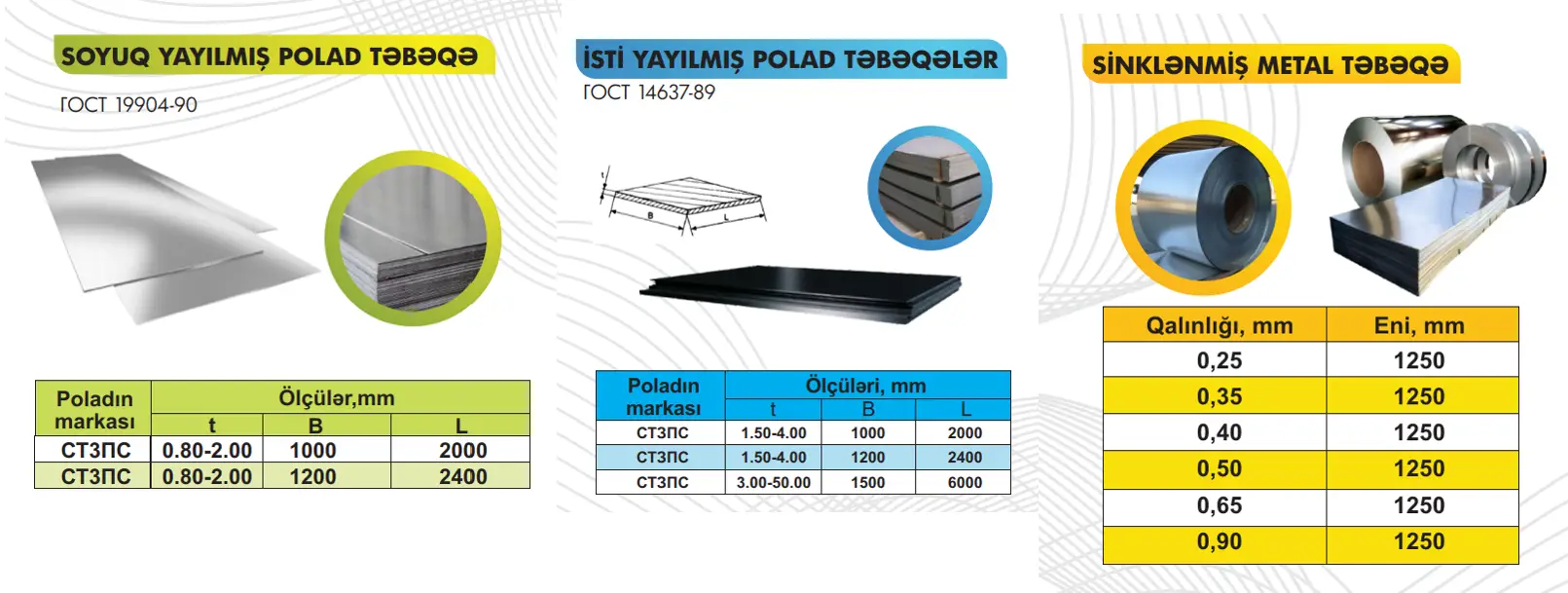


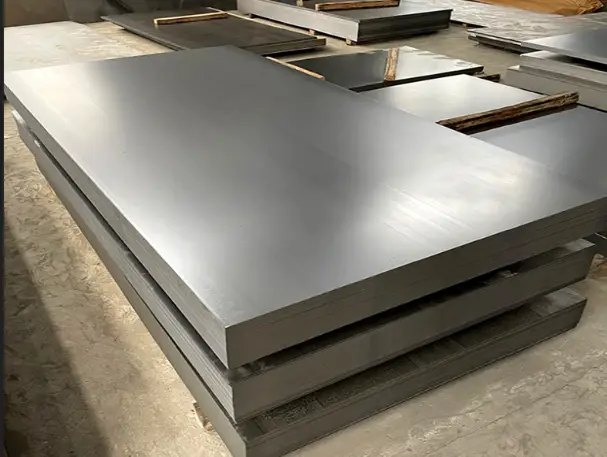
About Cold-Rolled Steel Sheet
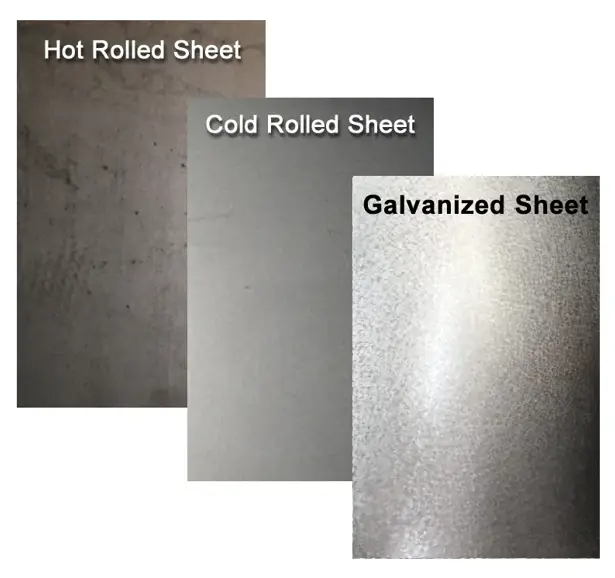
Cold-rolled steel sheet — is a type of steel produced by re-rolling hot-rolled steel at room temperature. In short: it is thinner, smoother, and more precise 👍
Chemical Composition (Average values):
| Element | Quantity (%) |
|---|---|
| Carbon (C) | 0.02-0.12 |
| Manganese (Mn) | 0.20-0.60 |
| Silicon (Si) | ≤ 0.30 |
| Sulfur (S) | ≤ 0.035 |
| Phosphorus (P) | ≤ 0.030 |
| Iron (Fe) | Remainder |
Mechanical Properties (Approximate):
| Property | Indicator |
|---|---|
| Yield Strength | 140-280 MPa |
| Tensile Strength | 270-410 MPa |
| Elongation | 28-40% |
| Hardness | 50-70 HB |
Main Features:
-
Surface is very smooth and shiny
-
High dimensional accuracy
-
Mechanical strength is much higher than hot-rolled
-
Thickness range usually: 0.3 - 3 mm
-
Easy to paint and galvanize
Where is it used?
-
Automotive Bodies
-
Home Appliances (washing machines, refrigerators)
-
Metal Furniture, Cabinets
-
Ventilation Ducts
-
Precision Metal Parts
Advantages:
-
High-quality appearance
-
Precise dimensions (ideal for pressing and stamping)
-
Strong despite being thin
Limitations:
-
More expensive than hot-rolled
-
Requires more care during welding
-
May contain internal stress (sometimes causes warping)
About Hot-Rolled Steel Sheet
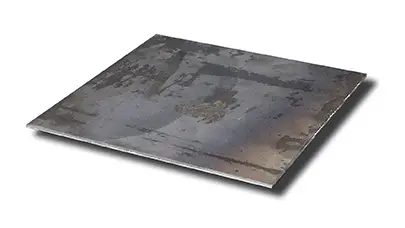
Hot-rolled steel sheet — is a type of sheet produced by rolling steel at high temperatures (~ 1100-1250°C). Let's briefly but comprehensively explain the subject below:
What is Hot-Rolled Steel?
The steel slab is heated and rolled between rollers to form a thin sheet. Due to high temperatures:
- Steel forms easily
- Internal stresses are low
- Surface is relatively rough
Chemical Composition (Typical - low carbon):
| Element | Quantity (%) |
|---|---|
| Carbon (C) | 0.05-0.25 |
| Manganese (Mn) | 0.30-1.60 |
| Silicon (Si) | ≤ 0.50 |
| Sulfur (S) | ≤ 0.045 |
| Phosphorus (P) | ≤ 0.045 |
| Iron (Fe) | Remainder |
Mechanical Properties (Average):
| Property | Indicator |
|---|---|
| Yield Strength | 235-355 MPa |
| Tensile Strength | 360-510 MPa |
| Elongation | 20-26% |
Dimensions:
-
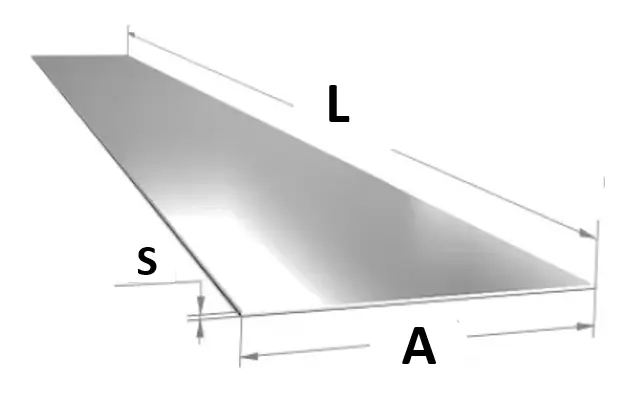
Thickness: 1.2-100 mm
-
Width: 1000-2500 mm
-
Length: 2000-12000 mm
-
Form: sheet or coil
Where is it used?
-
Metal Structures
-
Bridges, Buildings
-
Shipbuilding and Rail Car Manufacturing
Advantages:
-
Cost-effective
-
Highly suitable for welding
-
High strength
Limitations:
-
Surface is not smooth
-
Dimensional accuracy is lower compared to cold-rolled
-
Requires surface preparation for direct painting
About Galvanized Steel Sheet
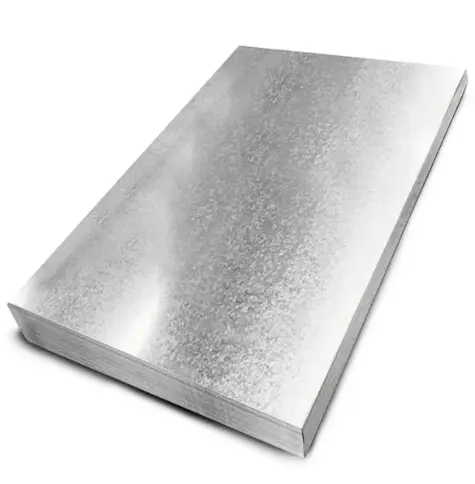
Galvanized steel sheet (zinc-coated steel) — is a corrosion-resistant metal material obtained by coating the surface of a steel sheet with a layer of zinc (Zn). The zinc coating protects the steel from rust and significantly extends its service life.
- Steel is immersed in a bath of molten zinc
- Zinc layer is thick and durable
- Ideal for outdoor weather conditions
- Zinc coating is applied using electric current
- Surface is smoother and more aesthetic
- Mostly for interior and decorative applications
Main Features:
-
High corrosion resistance
-
Long service life (20-50 years depending on the environment)
-
Mechanical strength + protective effect of zinc
-
Zinc coating is usually indicated in g/m2:
- Z100-Z275 (most common range)
- Example: Z275 ≈ 275 g/m2 (both sides combined)
Where is it used?
-
Roofing and Facades
-
Ventilation Ducts
-
Automotive Industry
-
Home Appliances
Advantages:
-
Strong rust protection
-
Low maintenance costs
-
Can be used unpainted
-
Protection continues even at cut edges
Limitations:
-
More expensive than ordinary steel
-
Special care required during welding
-
Electro-galvanizing is weak outdoors
About Color-Coated Steel Sheet
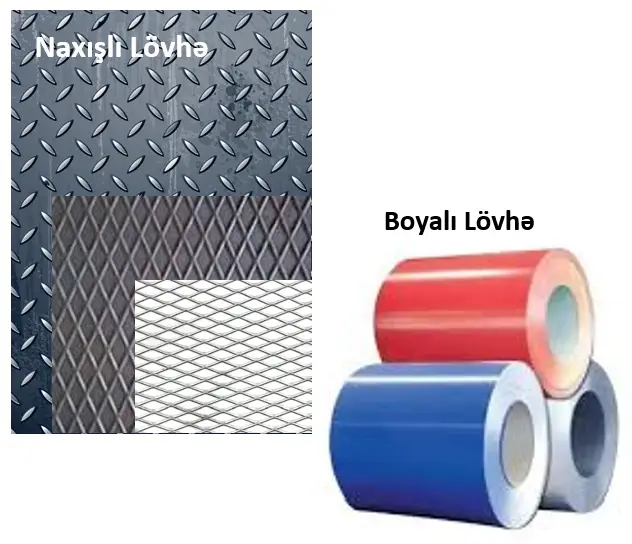
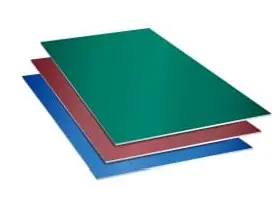
Color-coated steel sheet (prepainted / color coated steel sheet) — is a ready-to-use material obtained by applying paint layers under factory conditions onto galvanized or alu-zinc coated steel. It provides both corrosion protection and a decorative appearance.
- Steel base
- Zinc or Al-Zn coating (e.g., Z275, AZ150)
- Primer
- Top coat
- (Sometimes) Back protective paint
Paint Types:
-
PE (Polyester) - most common, affordable price
-
SMP (Silicon Modified Polyester) - better UV and scratch resistance
-
PVDF - highest quality, retains color for many years
-
PU/HDP - for industrial and aggressive environments
Typical Technical Indicators:
-
Thickness: 0.3-1.2 mm
-
Paint Thickness:
- Top coat: 15-25 microns
- Back coat: 5-10 microns
-
Zinc Coating: Z100 - Z275 or AZ
Main Features:
-
High corrosion resistance
-
Ready colored surface - no additional painting needed
-
Good formability (profile, wave, trapezoid)
-
Long service life
Where Is It Used?
-
Roofing (metal tile, trapezoid)
-
Facade Panels
-
Warehouse and Industrial Buildings
-
Fences and Gates
-
Household and Office Structures
Advantages:
-
Aesthetic and clean appearance
-
Fast installation
-
Low maintenance costs
-
Wide color selection (RAL catalog)
Limitations:
-
Paint can be damaged during cutting and assembly
-
Low-quality paint fades quickly under UV light
-
More expensive than ordinary galvanized steel
About Tread Steel Sheet
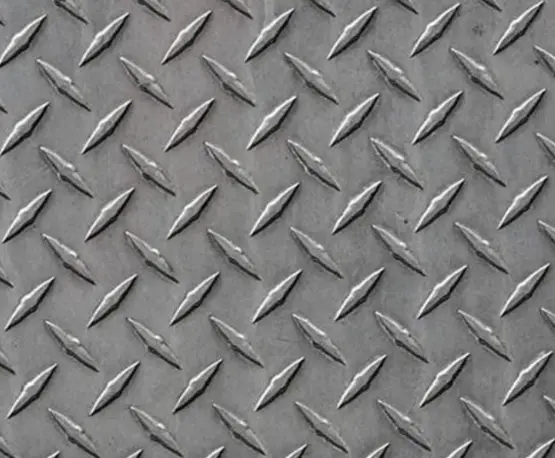
Tread steel sheet (Checkered plate) — is a steel plate with raised patterns (lines, teardrop/diamond shapes, etc.) on its surface. These patterns make it slip-resistant and mechanically more practical, and it is widely used in construction, flooring, reference parts, and other industrial sectors.
Chemical Composition (Typical):
| Element | Quantity (%) |
|---|---|
| Carbon (C) | 0.05-0.25 |
| Manganese (Mn) | 0.25-1.20 |
| Silicon (Si) | 0.05-0.30 |
| Sulfur (S) | ≤ 0.05 |
| Phosphorus (P) | ≤ 0.04 |
| Iron (Fe) | Remainder |
Physical & Mechanical Properties:
The patterned feature is mainly related to the surface relief; the core mechanical values come from the material itself.
| Property | Indicator |
|---|---|
| Density | ~ 7.85 g/cm 3 |
| Tensile Strength | 370-510 MPa |
| Yield Strength | 235-355 MPa |
| Elongation (A) | 20-28 % |
| Hardness | approx. 120-180 HB |
| Thermal Conductivity | ~ 50 W/m⋅K |
| Electrical Conductivity | moderate (lower than pure iron) |
Technological Features:
-
Weldability: very good
-
Formability (bending, cutting): good
-
Slip Resistance: high due to the patterned surface
-
Corrosion Resistance: poor - usually requires galvanizing, painting, or coating
Where Is It Used?
-
Stairs, platforms, bridge walkways
-
Vehicle bodies, trailer flooring
-
Factory and warehouse flooring
-
Technical and industrial structures
Advantages:
-
Slip-resistant - Textured surface increases safety in wet, oily, or dusty environments.
-
High Strength - Resistant to impact and heavy loads.
-
Durable - Wear-resistant, reliable in industrial conditions.
-
Versatile Use - Stairs, platforms, ramps, truck flooring, etc.
-
Easy Maintenance - Local repairs are possible in case of mechanical damage.
-
Aesthetic Effect - Provides a "technical" look in industrial design.
Limitations:
-
Weight - Heavier compared to plain (smooth) sheets.
-
Price - Can be expensive due to the patterned manufacturing process.
-
Cleaning Difficulty - Dirt can accumulate between the reliefs.
-
Formability Limitation - Not suitable for deep bending and intricate work.
-
Corrosion Risk - May rust if protective coating (galvanizing, paint) is absent.