

Production Standard | Chemical Composition | Physical & Mechanical Properties
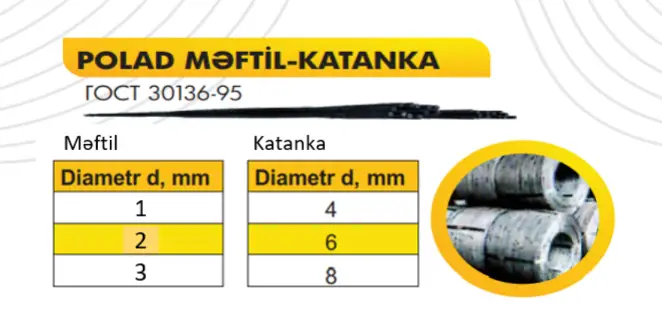
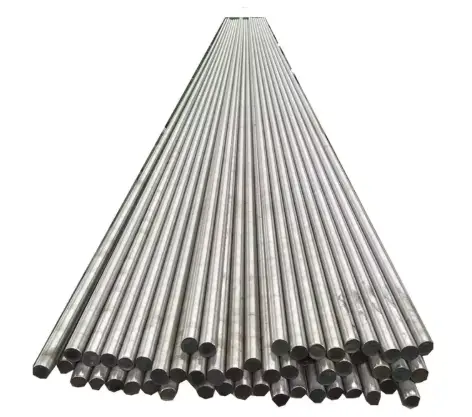
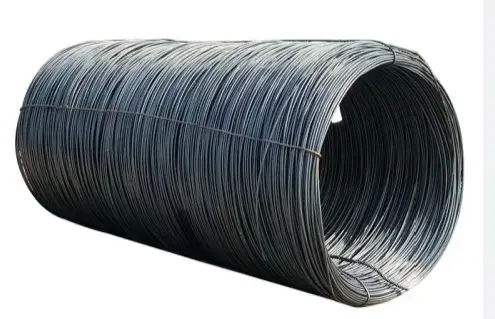
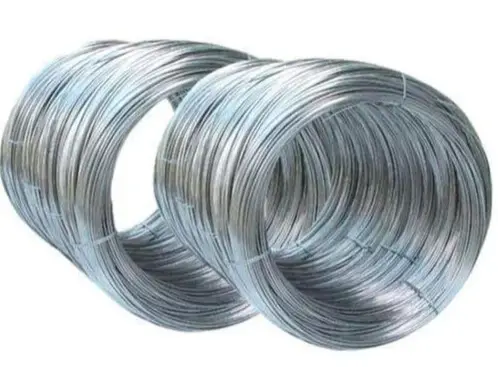
Steel Wire Rod - is a hot-rolled steel wire rod mainly with a circular cross-section. It is usually sold in coils (bobs) and is subsequently used as a raw material in the production of wire, mesh, reinforcement, etc.
Production Standard:
- GOST 30136-95
Chemical Composition (%):
Composition may vary depending on the application area (e.g., low carbon, medium carbon, or special alloy). In the most common low carbon wire rod:
| Element | Percentage (%) |
|---|---|
| Carbon (C) | 0.05-0.25 |
| Manganese (Mn) | 0.30-0.90 |
| Silicon (Si) | 0.05-0.30 |
| Phosphorus (P) | ≤ 0.045 |
| Sulfur (S) | ≤ 0.045 |
In special cases (e.g., spring steel, for cables), alloy elements like Cr, Ni, V can also be added.
Physical & Mechanical Properties:
| Property | Indicator |
|---|---|
| Density | ~ 7.85 g/cm3 |
| Tensile Strength | 300-600 MPa |
| Yield Strength | 240-400 MPa |
| Elongation | High (good plasticity) |
| Weldability | Good (especially low carbon grades) |
Applications | Advantages | Limitations | Sales Terms
Applications:
-
Wire production (construction wire, binding wire)
-
In baling bundles
-
Reinforcement and mesh (e.g., concrete meshes)
-
Cable industry
-
Rivet, bolt, nail production
-
Metal meshes and fences
-
Springs and mechanical parts (medium carbon grades)
Advantages:
-
High plastic deformation capacity
-
Favorable for welding
-
Suitable for processing and drawing
-
Affordable price for mass production
-
Ability to produce in various diameters (e.g., 5.5 mm - 14 mm and more)
Limitations:
-
Sensitive to corrosion (if galvanization or coating is absent)
-
High carbon grades can be more brittle
-
Surface quality affects the final product
-
Risk of rusting if unprotected outdoors